A family affected by Sanfilippo syndrome raised millions of dollars for research
Health reporting often compresses a long chain of decisions into one sentence. A family affected by Sanfilippo syndrome raised millions of dollars for research. This...
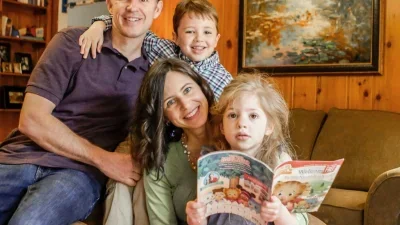
Health reporting often compresses a long chain of decisions into one sentence. A family affected by Sanfilippo syndrome raised millions of dollars for research. This dispatch slows that chain down, tracing the research, the regulators, the clinicians and the families who each hold part of the picture.
There is also a communication problem. Studies are written for specialists, while decisions are made by people with limited time and conflicting advice. When uncertainty is stripped out of the message, trust becomes fragile; when it is explained clearly, people can plan around it. The difference between those two outcomes is often editorial rather than scientific.
If the pattern holds, the next development will arrive quietly: a revised protocol, a changed eligibility rule, a new line in a budget. Those small moves are often more consequential than the dramatic headline that started the discussion. For families and clinicians alike, the immediate task is not prediction but preparation, and that work begins with clear information rather than confident slogans. The record so far is one of partial progress, and the most honest summary is that the next few months will reveal more than the current debate can.