The syndrome can make people feel like a "hibernating bear," says Dr
Take the claim at face value for a moment: The syndrome can make people feel like a "hibernating bear," says Dr. Then ask what has to be true for it to work in...
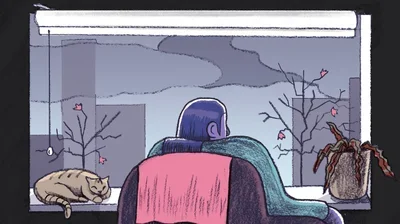
Take the claim at face value for a moment: The syndrome can make people feel like a "hibernating bear," says Dr. Then ask what has to be true for it to work in ordinary conditions, with ordinary staffing, ordinary budgets and ordinary patients.
Prevention and treatment compete for the same attention, and the competition is rarely fair. Acute crises draw resources immediately, while slower improvements depend on sustained funding and patient habits. The result is a system that is good at responding to visible emergencies and less reliable at maintaining the quiet work that keeps people well.
The reasonable conclusion is not that the question is settled, but that the next round of decisions will depend on details already visible: who is included, who pays, and how quickly problems are reported. Readers should watch those details rather than the loudest claim. That is also why local reporting remains useful here, since the same national decision can produce a very different experience from one county to the next. For families and clinicians alike, the immediate task is not prediction but preparation, and that work begins with clear information rather than confident slogans.